For centuries, cheesecloth has been a staple in kitchens and workshops, prized for its versatility and fine weave. Far more than just a tool for cheesemaking, this humble fabric is essential for straining, cooking, baking, and even crafting. Whether you're a home cook, a DIY enthusiast, or a serious cheesemaker, understanding the different types and grades of cheesecloth is key to getting the best results.
What is Cheesecloth and Why is it So Useful?
Cheesecloth is a lightweight, gauze-like cotton fabric with an open weave. Its primary function is to separate solids from liquids, making it indispensable for tasks like straining yogurt, clarifying butter, or making nut milks. Its food-safe, breathable nature also makes it perfect for bundling herbs, wrapping roasts like turkey to keep them moist, and even in crafts like dyeing fabric or making ghosts for Halloween. The key to its utility lies in its various grades, which indicate the tightness of the weave and the fabric's density.
Understanding Cheesecloth Grades: From Fine to Coarse
Not all cheesecloths are created equal. They are typically graded by number, with a higher number indicating a tighter, finer weave. Grade 100 cheesecloth, often called "butter muslin," is the finest and most durable option. It's ultra-dense, preventing even the tiniest curds or particles from passing through, which is why it's the preferred choice for professional cheesemaking and straining fine liquids. For a comprehensive look at this premium grade, check out this detailed guide to Grade 100 cheesecloth.
Lower grades, like 50 or 60, have a more open weave and are suitable for less demanding tasks like straining stocks or bundling bouquet garni. When selecting a cheesecloth, consider your project: do you need an ultra-fine cheese cloth for straining whey from yogurt, or a more open weave for wrapping a ham?
Key Features to Look For in a Quality Cheesecloth
When shopping for cheesecloth, several features determine its quality, durability, and suitability for reuse.
Material and Certification
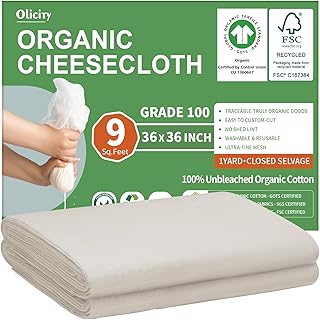
Always opt for 100% unbleached cotton cheesecloth. Unbleached fabric is free from chemical residues, making it safer for food contact. For the highest standard, look for products like the Organic Cheese Cloths, GOTS Certified. GOTS (Global Organic Textile Standard) certification ensures the cotton is grown organically and processed under strict ecological and social criteria.
Construction and Durability
Reusability is a major factor. Cheesecloths with hemmed or closed edges are far more durable as they prevent fraying. Look for descriptions like "hemmed 4 edges" or "lock-edged," as seen in products like the 12Pcs Reusable Cheese Cloths or the Cotton Farm Grade 100 XL Cheese Cloth. This construction allows you to wash and reuse the cloth many times, making it an economical and eco-friendly choice.
Size and Convenience
Cheesecloth comes in various sizes, from small precut squares to large yards. Precut cheesecloth squares, like the 6-Pack Beige Cheesecloth (20x20 Inch) or the Precut Cheesecloth, 15 x 15'' 4 Pack, offer incredible convenience for everyday tasks, eliminating the need for cutting and measuring.
Top Uses for Your Kitchen Cheesecloth
The applications for this versatile kitchen essential are nearly endless. Here are some of the most popular:
Straining & Juicing: This is its classic use. Strain homemade yogurt, Greek yogurt, kefir, or tofu. Use it as a juicing cheesecloth bag to make clear fruit and vegetable juices or nut milks. A fine Grade 100 cloth is essential here to catch all the pulp.
Cooking & Baking: Wrap herbs and spices into a pouch for easy removal from soups and stocks. For a moist, evenly cooked bird, many cooks swear by using a muslin cheesecloth for cooking turkey, soaked in butter or broth and draped over the breast. It's also great for straining custards or clarifying butter.
Cheesemaking: This is where it gets its name. A high-quality, dense butter muslin is non-negotiable for draining curds when making soft cheeses like ricotta, paneer, or farmer's cheese. For more on this, explore our guide to cheesecloth for straining and cooking.
Crafts: Beyond the kitchen, unbleached cotton muslin cheesecloth is a favorite for DIY projects, from simple dyeing and fabric printing to creating decorative items.
Making the Right Choice: Product Recommendations
With so many options, here's a quick guide to match the product with your need:
For the serious cook or cheesemaker who values organic materials and large size, the GOTS Certified Organic Cheese Cloth (36x36 Inch) is a top-tier, reusable choice.
For everyday kitchen tasks like straining stocks or bundling herbs, a reliable, value-packed option like GoodCook Everyday 100% Cotton Cheesecloth is excellent. You can learn more about its versatility in our GoodCook cheesecloth guide.
For convenience and multi-use, a precut, hemmed pack is ideal. The High-Grade 100 Cheesecloth – 6-Pack or the Mostdream Cheese Cloths, 10Pcs offer ready-to-use squares that are easy to wash and store.
Ultimately, investing in a good quality, reusable cheesecloth is a small step that can greatly enhance your culinary capabilities. By choosing the right grade and features for your needs, this simple fabric will become one of your most reached-for cooking essentials.